



Berberine for PCOS: How It Works, Who It Helps, and What to Know
Berberine is one of the most discussed supplements in PCOS communities — but it is not right for every PCOS type. I'm Dr. Fiona McCulloch, ND — author of 8 Steps to Reverse Your PCOS and fellowship-trained in naturopathic endocrinology. In this guide, I explain the mechanisms, identify who benefits most, address side effects honestly, and correct the myths that social media gets wrong.
Berberine frequently comes up in conversations about PCOS, particularly around blood sugar and insulin regulation. But its role isn’t universal—and in some cases, it may not address the underlying pattern at all.
If You've Been Researching Berberine for PCOS, You've Probably Found More Questions Than Answers
Many women with PCOS describe a similar experience when researching berberine:
- You’ve seen berberine recommended on TikTok, Instagram, or Reddit — but no one explains whether it’s right for your specific PCOS type
- You’ve heard it called “Nature’s Ozempic” and aren’t sure if that’s real or marketing
- You’re already taking inositol, NAC, or other supplements and don’t know if adding berberine helps or creates problems
- You’ve read about side effects — stomach issues, skin darkening, hair changes — and can’t find clear answers about what’s normal and what’s concerning
- Every article seems to say berberine is amazing for PCOS, but none of them help you figure out if it actually matches your root causes
The confusion makes sense — because berberine is not a simple supplement. I describe it as one of our more intensive herbal medications — I call it a medication because it does promote a change that can be seen in testing. Whether berberine is right for you depends on your specific PCOS root causes — and those can be assessed. When you know your PCOS drivers, the berberine question answers itself.
How Berberine Works in PCOS: Three Mechanisms
Insulin Resistance — The Primary Indication
Reducing insulin resistance is the primary reason berberine may be used to support PCOS. Insulin resistance plays a role in up to 70–80% of women with PCOS and contributes to long or missing cycles, weight gain, darkening of skin folds, sugar cravings, and fatigue.
Berberine has been studied for its effects on insulin signalling pathways, primarily through activation of an enzyme called AMPK — a metabolic sensor that helps regulate glucose uptake and energy balance. By improving insulin sensitivity at the cellular level, berberine may influence a cascade of downstream effects: when insulin signalling improves, the ovaries may produce fewer androgens, since insulin directly stimulates ovarian androgen synthesis in the theca cells.
If you’re unsure whether you have insulin resistance, it can be assessed through blood work. Common markers include fasting insulin, HbA1c, an insulin glucose challenge or CRAFT test, and cholesterol or lipid panels. Read more about testing for insulin resistance.
However, not every individual with PCOS has insulin resistance — and in those individuals, berberine may not be the most relevant option. I try to streamline supplements. I don’t want my patients on every single supplement, even if it might be slightly beneficial. I want them on the low-hanging fruit — and berberine is definitely one that we use for insulin resistance.
It is also important to understand that treating insulin resistance is complex. Treating insulin resistance is one of the most difficult elements of PCOS to treat because multiple mechanisms keep it intact — and insulin resistance itself aggravates itself. Individual factors including fatty liver, thyroid hormone conversion, sleep quality, inflammation, and cortisol responses all influence how insulin resistance behaves. Berberine addresses one pathway. A comprehensive approach addresses the full picture. Learn more about insulin resistance and food insulin demand in PCOS.
Androgen Reduction — SHBG, Theca Cells, and Symptom Mapping
Berberine has also been studied for its effects on androgen levels in women with PCOS. High androgens can contribute to acne, hirsutism (excess hair growth), hair thinning, and irregular cycles. Androgen-related queries — including “does berberine lower testosterone in women,” “berberine and hirsutism,” and “berberine hair loss” — are among the most common questions women ask about this supplement.
SHBG mechanism: Research has explored berberine’s potential to increase a protein called Sex Hormone Binding Globulin (SHBG). SHBG binds to free testosterone in the blood, reducing circulating levels. In PCOS, many women have low SHBG and higher levels of circulating free testosterone. By increasing SHBG, berberine may help lower the amount of active testosterone available to tissues — potentially influencing acne, hirsutism, and hair health.
Theca cell mechanism: Other research has found that berberine may reduce androgen production directly at the level of the ovary by suppressing androgen receptor signalling and reducing production in the theca cells that surround each egg. This is a separate pathway from the SHBG mechanism, suggesting berberine may affect androgens through multiple routes.
The insulin connection: Part of berberine’s androgen-reducing effect may be mediated through improved insulin sensitivity — since insulin is a direct driver of ovarian androgen production. When insulin signalling improves, ovarian androgen output may decrease as a downstream effect.
What this means for specific symptoms: Acne, hirsutism, and hair loss are each driven by androgens but respond on different timelines and to different degrees. Acne may respond as skin cycles turn over (~3 months). Hirsutism changes slowly. Hair thinning recovery is the most gradual. Individual assessment of androgen levels — including total testosterone, free testosterone, DHEA-S, and androstenedione — helps determine whether berberine’s androgen pathways are relevant for your presentation.
A note on adrenal androgens: Berberine primarily affects ovarian androgen pathways. If your PCOS is driven primarily by elevated adrenal androgens (DHEA-S), berberine may not be the most relevant intervention. Read more about androgen management in PCOS.
Beyond insulin resistance, berberine can also help gut health and acne — making the androgen pathway a secondary but clinically relevant indication.
Anti-Inflammatory Action
Elevated low-grade inflammation is a common finding in PCOS. Inflammation can worsen insulin resistance and increase androgen production — creating a cycle where each driver reinforces the others.
Berberine has been studied for its effects on inflammatory markers including IL-6, TNF-alpha, and CRP. For women whose PCOS includes a significant inflammatory component, berberine’s anti-inflammatory properties may be relevant — though inflammation alone is unlikely to be the primary reason to use berberine. Other interventions may be more directly targeted. Learn more about inflammation in PCOS. See anti-inflammatory supplements for PCOS.
A note for women in perimenopause: Insulin resistance often worsens during the perimenopausal transition as estrogen levels decline and metabolic patterns shift. Women who have managed PCOS for years may find their metabolic markers changing — and the berberine question re-emerging in a new context. If you’re navigating the intersection of PCOS and perimenopause, a comprehensive metabolic reassessment can help determine whether berberine remains appropriate for your shifting profile. Learn about our menopause and perimenopause program.
What Berberine Won't Do: Myths vs. Clinical Reality

Myth: Berberine Is "Nature's Ozempic"
The idea that berberine works like Ozempic is very powerful in online trends — however, it’s definitely a myth.
Berberine does not work like GLP-1 receptor agonists such as semaglutide (Ozempic). It does not cause the profound weight loss associated with those medications. It does not suppress appetite through the same hormonal pathways. It is not as strong, and is much more gentle.
The metabolic effects of berberine are more comparable in scope to metformin — clinically meaningful for insulin signalling, but not a dramatic weight-loss intervention. That said, when used properly and with the right strategy simultaneously, you can see remarkable results with this treatment. But it has to be done in an overall plan that will help insulin resistance in this individual patient. The supplement is only one part of a multi-pronged plan.
If your primary goal is weight loss, berberine alone is unlikely to meet that expectation. If your goal is to address the insulin resistance driving your PCOS, berberine may be one meaningful component of a broader strategy.
Myth: Berberine Must Be Stopped After a Few Weeks
A common misconception is that berberine can only be taken for a short period and must be stopped. There is no evidence on this.
I’ll also note there is no long-term use data either. Berberine is a traditional herbal medicine, and medications for insulin resistance are generally continued long-term. The nuance is that berberine has antimicrobial properties and may or may not be suited for long-term use in everyone.
As with most clinical decisions, the duration of berberine use involves weighing benefits and risks for your individual case — and should be discussed with a healthcare provider who understands your full picture.
Is Berberine Right for Your PCOS Type?
When a patient asks me about berberine for PCOS, I don’t start with the supplement — I start with their metabolic profile.
I’m usually looking to see if they’re insulin resistant. The assessment may include fasting insulin, HbA1c, an insulin glucose challenge or CRAFT test, and cholesterol or lipid panels. The type that benefits the most is the insulin-resistant type.
I also look for secondary indications: berberine can support gut health and has been studied in relation to acne. But without insulin resistance or another clear indication, I probably wouldn’t add it in. The goal is a streamlined, targeted protocol — not a supplement stack.
This is why a clinical assessment matters: it identifies whether berberine matches your specific profile, or whether a different approach would be more relevant. Learn about testing for insulin resistance.
Insulin-Resistant PCOS
Strong indication
The primary indication for berberine. AMPK activation directly addresses the insulin signalling pathway. This is where the strongest evidence base exists, and where I most commonly recommend berberine as part of a broader protocol.
Hyperandrogenic PCOS (Without Insulin Resistance)
Moderate — some evidence
Research has explored berberine’s effects on SHBG and ovarian androgen production independent of insulin. Some evidence suggests benefit for androgen-driven symptoms, but the case is stronger when insulin resistance is also present.
Adrenal PCOS (Elevated DHEA-S)
Limited evidence
Berberine primarily affects ovarian androgen pathways. If your PCOS is driven by elevated adrenal androgens, berberine may not be the most relevant first-line intervention. Other approaches may be better suited to adrenal-dominant presentations.
Inflammatory PCOS
Moderate — secondary benefit
Berberine’s anti-inflammatory properties are relevant, but inflammation alone is unlikely to be the primary reason to use berberine. More directly targeted anti-inflammatory interventions may be the priority for this PCOS type.
Lean PCOS
Depends on insulin status
Normal weight does not rule out insulin resistance. Some women with lean PCOS have significant insulin resistance that is not apparent without testing. Assessment of metabolic markers is required to determine whether berberine is relevant for your presentation.
Perimenopausal Metabolic Shift
Depends — reassessment warranted
As estrogen declines in perimenopause, insulin resistance may worsen even in women who previously had it well managed. If your metabolic markers are shifting, berberine may be part of an updated strategy — but a fresh assessment of your current profile is the starting point. Learn about our menopause program.
What to Expect When Starting Berberine for PCOS
Weeks 1–2: Adjustment Period
Some women experience bloating, loose stools, or acid reflux when starting berberine. These are the most common initial effects and are usually temporary. Anything that happens in the first days is usually just an adjustment to the treatment. Different formulations and gradual introduction can help.
Months 1–2: Building Effects
Berberine is not a quick supplement. During this period, metabolic changes are building but may not yet be visible in symptoms or lab work. Consistency matters — berberine works gradually, and early discontinuation is one of the most common reasons for perceived failure.
Month 3+: Clinical Assessment Point
The improvements with berberine are usually going to take about three months to see — when you’re looking at things like skin cycles, markers in lab tests for insulin resistance. This is typically when your practitioner will reassess lab markers and evaluate whether berberine is producing the expected metabolic shifts.
Berberine is one component of what Dr. McCulloch describes as a “multi-pronged plan.” Used on its own without addressing the contributing factors — fatty liver, thyroid function, sleep, inflammation, cortisol — minimal results may be seen. But when the right approach is taken, the picture changes. “Insulin resistance can often be reversed,” she notes. “We have many patients at the clinic who have fully reversed even significant insulin resistance with consistency and the right approach for their body.”
Common Questions About Berberine and PCOS
Does berberine lower testosterone in women with PCOS?
Berberine has been studied for its effects on testosterone through two pathways: increasing SHBG (which binds free testosterone, reducing circulating levels) and potentially reducing androgen production in the ovarian theca cells. Part of this effect may be mediated through improved insulin sensitivity, since insulin drives ovarian androgen production. Individual responses vary — a clinical assessment of your androgen levels helps determine whether this mechanism is relevant for your PCOS presentation. Read more about androgen management in PCOS.
Does berberine darken skin?
Some reports suggest berberine may affect melanin pathways, but this is not well-characterized in published PCOS-specific research. It’s worth noting that PCOS itself is associated with acanthosis nigricans — darkening of skin in folds (neck, underarms, groin) — which is driven by insulin resistance, not berberine. In some cases, berberine may actually be addressing the underlying insulin resistance that contributes to skin darkening. If you notice new or worsening skin changes while taking berberine, discuss them with your healthcare provider.
Can berberine cause hair loss?
Berberine has not been associated with hair loss in published PCOS research. In fact, berberine’s potential effects on androgen levels may be relevant for androgenic alopecia — the pattern of hair thinning driven by elevated androgens that is common in PCOS. By potentially reducing circulating free testosterone, berberine may support hair health in androgen-driven presentations. However, individual responses vary and any concerns about hair changes should be discussed with your healthcare provider.
Can I take berberine with inositol, NAC, or other PCOS supplements?
Yes — berberine can be combined with other supplements. As Dr. McCulloch explains: “You absolutely can combine it with other supplements. That being said, everybody is different and people’s sensitivity should be discussed with their doctor. Not everybody will be able to safely and without side effects combine all these supplements together. However, in many patients, this can be possible. We commonly provide combinations of supplements suited to each patient in our practice.” The key is that combinations should be individualized based on your specific PCOS drivers and tolerability. Learn about NAC and PCOS. See our PCOS supplements overview.
What are the side effects of berberine?
The most common side effects are gastrointestinal: bloating, loose stools, and acid reflux. Dr. McCulloch notes that these are usually manageable: “There’s different types of berberine, there’s different ways of starting berberine that can make it more gentle, there’s different approaches to working with the gut.” Many people find that after an initial adjustment period, GI effects resolve. If side effects remain problematic, “berberine is usually stopped, as there are many alternative treatments we can use.”
Medication interactions: Berberine interacts with certain CYP450 enzymes, which means it can affect how your body processes some medications — including statins, blood thinners, and diabetes medications. If you are taking any prescription medications, discuss berberine with your healthcare provider before starting.
Pregnancy: If you are planning conception, discuss berberine use and timing with your healthcare provider.
Is berberine better than metformin for PCOS?
Berberine and metformin have been compared in several studies examining metabolic parameters in PCOS. Dr. McCulloch characterizes berberine’s effects as “more on the level of metformin” — comparable in scope for insulin-related markers — but notes that berberine is “much more gentle.” They work through different mechanisms and have different side-effect profiles. The choice between them — or whether to use them together — depends on individual factors, existing medications, and clinical context. White Lotus Clinic does not prescribe metformin; this comparison is provided as educational context.
Should I take berberine if I don't have insulin resistance?
Probably not as a first-line choice. Dr. McCulloch is direct on this point: “I would steer them away if they don’t have a lot of insulin resistance in their case or any other reason to use berberine.” The primary indication for berberine is insulin resistance. Secondary indications include gut health support and acne. If your PCOS root causes are primarily adrenal, thyroid-driven, or inflammatory without significant insulin resistance, other interventions may be better suited to your presentation. A root cause assessment helps identify what’s actually driving your symptoms. Learn about naturopathic care for PCOS.
Does berberine affect menstrual periods?
Changes in menstrual patterns may occur when starting berberine. Improved insulin sensitivity and hormonal signalling can affect cycle regulation — and in PCOS, where irregular or absent periods are common, some changes in cycle pattern may reflect the body’s response to improved metabolic and hormonal balance. These changes typically emerge over the same ~3-month timeline as other berberine effects. Discuss any significant menstrual changes with your healthcare provider to ensure they’re being monitored appropriately.
How We Assess Whether Berberine Is Right for You
Metabolic Assessment
Your visit includes assessment of key insulin resistance markers — fasting insulin, HbA1c, glucose challenge or CRAFT test — along with a full hormone panel and metabolic co-factors including lipids, inflammation markers, and thyroid function.
Root Cause Identification
Your results are analyzed to identify which PCOS drivers are present in your individual case — insulin resistance, androgen patterns, inflammation, adrenal contribution, thyroid involvement — and how they interact.
Individualized Protocol
Based on your root cause profile, a targeted supplement protocol is developed. Berberine may or may not be included — it depends entirely on whether it matches your specific drivers. As Dr. McCulloch notes: “We commonly provide combinations of supplements suited to each patient in our practice.”
Monitoring and Adjustment
Improvements are typically assessed at the ~3-month mark through repeat lab work. Your protocol is adjusted based on your response — if berberine isn’t producing the expected shifts, alternatives are available.
If berberine isn’t right for you, we have other options. There are many alternative treatments we can use. The clinic screens patients ahead of time and has a range of evidence-based approaches — you won’t leave without a path forward, even if berberine isn’t it.
Why Clinical Guidance Matters for Berberine Specifically
Berberine is not a supplement where “more is better” or where self-directed use produces the same results as a guided approach. Dr. McCulloch explains why: “If it’s not used strategically and properly, minimal results may be seen with this treatment.”
The reason is that insulin resistance — berberine’s primary target — is influenced by multiple co-factors that must be addressed simultaneously: fatty liver, thyroid hormone conversion, sleep quality, inflammation, and cortisol responses. Berberine addresses one pathway. Without identifying and addressing the others, its effects may be limited.
A clinical assessment identifies your specific co-factors — not just whether you have insulin resistance, but what’s maintaining it. That assessment is what turns berberine from “a supplement I’m trying” into “a targeted intervention within a strategy that addresses my individual picture.”
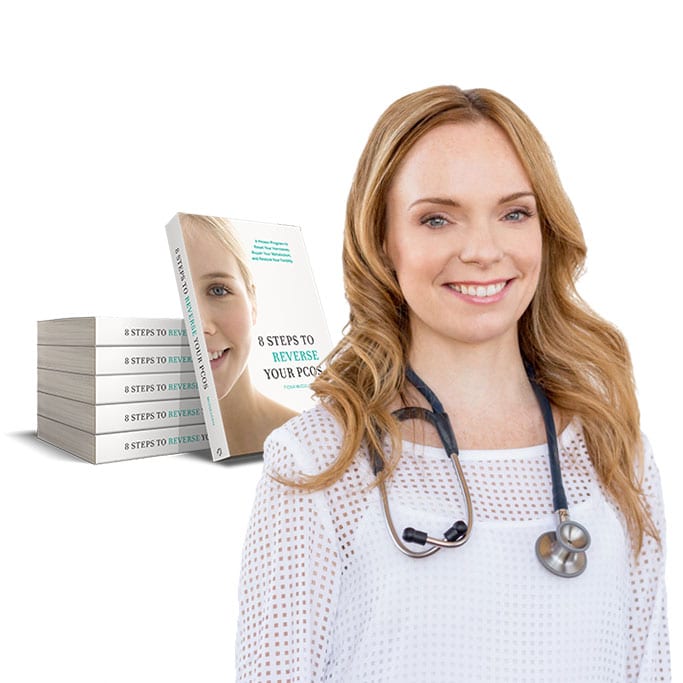
- Published author: Dr. McCulloch’s 8 Steps to Reverse Your PCOS covers berberine as one of several evidence-based naturopathic approaches — internationally published
- Guidelines contributor: Peer reviewer for the 2023 International Evidence-Based PCOS Guidelines
- Received the fellow of the American Board of Naturopathic Endocrinology designation
- Clinical depth: 25+ years of clinical focus in PCOS and women’s hormonal health
- Research-grounded page: This page cites published peer-reviewed research (see references below)
References
- Zhang S, Zhou J, Gober H, Leung W, Wang L. Effect and mechanism of berberine against polycystic ovary syndrome. Biomedicine & Pharmacotherapy. 2021;138:111468. doi:10.1016/j.biopha.2021.111468
- Li MF, Zhou XM, Li XL. The effect of berberine on polycystic ovary syndrome patients with insulin resistance (PCOS-IR): a meta-analysis and systematic review. Evidence-Based Complementary and Alternative Medicine. 2018;2018:2532935. doi:10.1155/2018/2532935
- An Y, Sun Z, Zhang Y, Liu B, Gao Y, Song H. The use of berberine for women with polycystic ovary syndrome undergoing IVF treatment. Clinical Endocrinology. 2014;80(3):425-431. doi:10.1111/cen.12294
- Wei W, Zhao H, Wang A, et al. A clinical study on the short-term effect of berberine in comparison to metformin on the metabolic characteristics of women with polycystic ovary syndrome. European Journal of Endocrinology. 2012;166(1):99-105. doi:10.1530/EJE-11-0616
- Rondanelli M, Ferraris C, Ferro Y, et al. Berberine supplementation for management of metabolic syndrome and inflammation: a systematic review and meta-analysis of randomized controlled trials. Pharmacological Research. 2024;199:107028. doi:10.1016/j.phrs.2023.107028
- Imenshahidi M, Hosseinzadeh H. Berberine and barberry (Berberis vulgaris): A clinical review. Phytotherapy Research. 2019;33(3):504-523. doi:10.1002/ptr.6252 [Safety, drug interactions, CYP450 enzyme effects]
- Teede HJ, Tay CT, Laven JJE, et al. Recommendations from the 2023 International Evidence-based Guideline for the Assessment and Management of Polycystic Ovary Syndrome. Journal of Clinical Endocrinology & Metabolism. 2023;108(10):2447-2469. doi:10.1210/clinem/dgad463
Whether berberine is right for your PCOS depends on your specific root causes. A clinical assessment identifies your individual drivers — insulin resistance, androgens, inflammation, and co-factors — so your supplement protocol addresses what’s relevant for your body, not what’s trending on social media.
If you’re in perimenopause and your metabolic markers are shifting, our menopause program includes comprehensive metabolic assessment — including evaluation of whether berberine and other insulin-sensitizing interventions are appropriate for your current profile.