PCOS

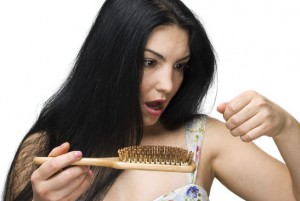
Causes of Hair Loss in Women and Natural Treatments : Part 1
An examination of the nutritional and hormonal causes of hair loss in women, along with natural treatments. Part 1 of a 2 part series.



An examination of the nutritional and hormonal causes of hair loss in women, along with natural treatments. Part 1 of a 2 part series.
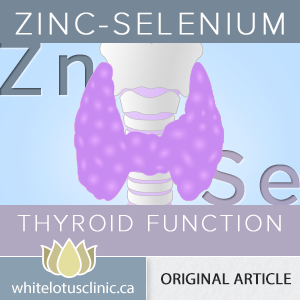
Two micronutrients that are very important for thyroid hormone metabolism are zinc and selenium. Zinc
Gluten has been linked to a 50% increase in leptin resistance at concentrations found in human blood after eating a typical gluten-containing meal. If you are trying to lose weight its crucial to eliminate gluten or it will likely be a stumbling block to progress.
N-Acetyl cysteine is one of the most beneficial nutrients for ovary health. It improves insulin sensitivity and glutathione levels. This study really broke it down by looking at women going through IVF and compared outcomes of those using NAC, to placebo, to Metformin, and to a combination of NAC and Metformin.
Glutathione is arguably the most important antioxidant in our bodies. It protects the ovaries from damage, for women who are in their later reproductive years, and also for women with PCOS. Learn more about how to increase the levels of this important antioxidant in your ovaries to improve fertility, ovulation and overall health.
Learn more in this comprehensive article explaining the difference between folate and folic acid. MTHFR is the mutation that causes a reduction in the conversion of synthetic folic acid to folate, causing difficulty in its utilization. Up to 40% of people have a mutation in MTHFR, rendering them less likely to use folate. This post was written for women with PCOS however the details included will be helpful for all women of all ages who are interested in nutrition.